

Understanding Toyota bZs: Batteries, Motors, and Regenerative Braking
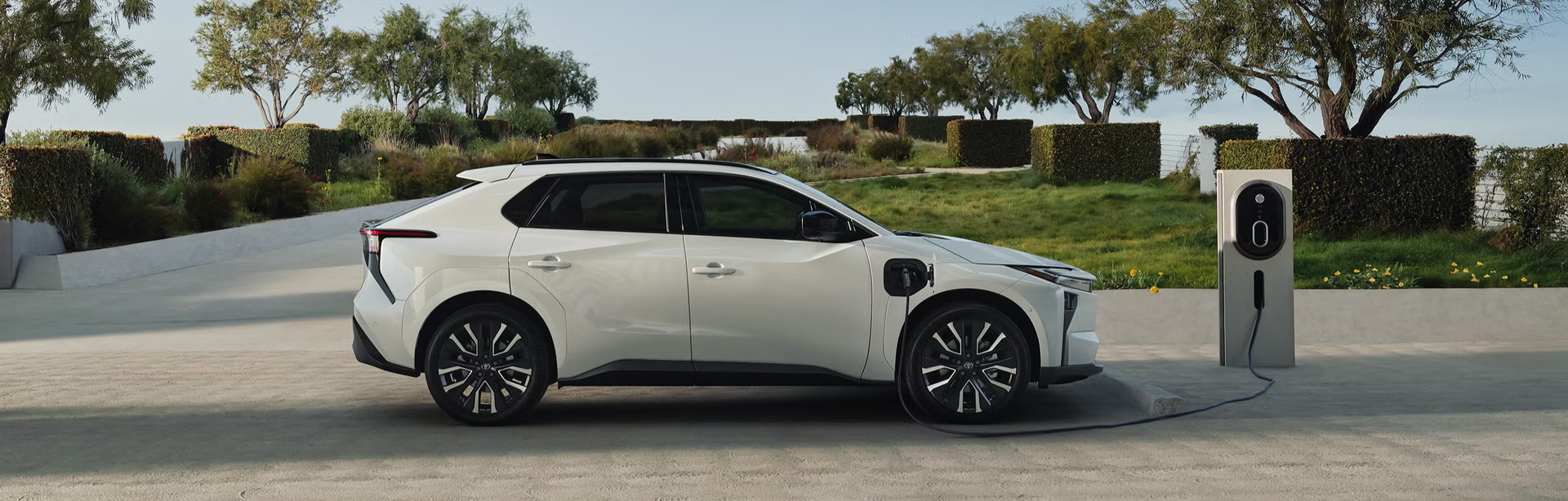
As electric vehicles (EVs) gain popularity in Canandaigua and nearby areas, many drivers are eager to understand how they work. At West Herr Toyota of Canandaigua, we’re committed to sharing our local expertise to help you navigate the world of EVs with confidence. This guide will break down the essential components of Toyota’s bZ models, like batteries, motors, and regenerative braking, using friendly, straightforward language. You’ll discover how these innovative features contribute to an efficient and enjoyable driving experience on the scenic roads around Canandaigua, from Main Street to the shores of Canandaigua Lake.
How Does a Toyota EV Battery Power Your Drive?
The battery is the core of any Toyota electric vehicle, acting as its energy source. Imagine it as a fuel tank, but instead of gasoline, it holds electrical energy.
This high-voltage lithium-ion battery is typically placed under the floor of the vehicle, contributing to a low center of gravity. This design enhances stability and handling, which is particularly advantageous on hilly or curvy roads around Canandaigua and nearby Rochester. When you accelerate, the battery delivers a steady flow of direct current (DC) electricity to the motor, giving you smooth and immediate power. Charging your Toyota EV is straightforward-just plug it into a home charger overnight or use one of the public fast-charging stations found around Brighton and Canandaigua, making it easy to stay on the road.
- Low Center of Gravity: This feature improves handling, making your drive safer and more enjoyable, especially on the scenic routes around Canandaigua Lake.
- Stable Handling: The battery’s placement helps maintain stability on winding roads, which is ideal for trips to local attractions like Sonnenberg Gardens.
- Convenient Charging: With numerous charging stations in the area, you can easily recharge at home or on the go, ensuring you’re always ready for your next adventure.
- Cost Efficiency: Lower operating costs compared to traditional vehicles mean more savings for outings to local wineries or parks.
- Performance: Instant torque from the electric motor provides a quick response, making your daily commute feel spirited, whether you’re heading to work or exploring the Finger Lakes.
You can find more information about vehicle batteries and their performance at resources like Kelley Blue Book.
What Role Does the Electric Motor Play in a Toyota EV?
The electric motor in a Toyota EV is essential for transforming electrical energy from the battery into the motion that drives the wheels. This process is straightforward and efficient, making it ideal for daily driving in Canandaigua and nearby Rochester.
When you press the accelerator, the inverter kicks in to convert the battery’s direct current (DC) into alternating current (AC) for the motor. This AC power generates a rotating magnetic field, which makes the rotor spin and turns the vehicle’s axles. The result? Instant torque, giving you that immediate response when merging onto US-20 or navigating the bustling streets of Brighton. You’ll appreciate the smooth acceleration and quiet operation, whether you’re cruising along Lakeshore Drive or heading to the New York Wine & Culinary Center.
What sets the Toyota electric motor apart is its simplicity and efficiency, designed for long-lasting performance. It’s built to handle the demands of daily commuting, providing peace of mind as you navigate snowy Finger Lakes roads or embark on family outings to Sonnenberg Gardens.
How Does Regenerative Braking Work to Extend Your Range?
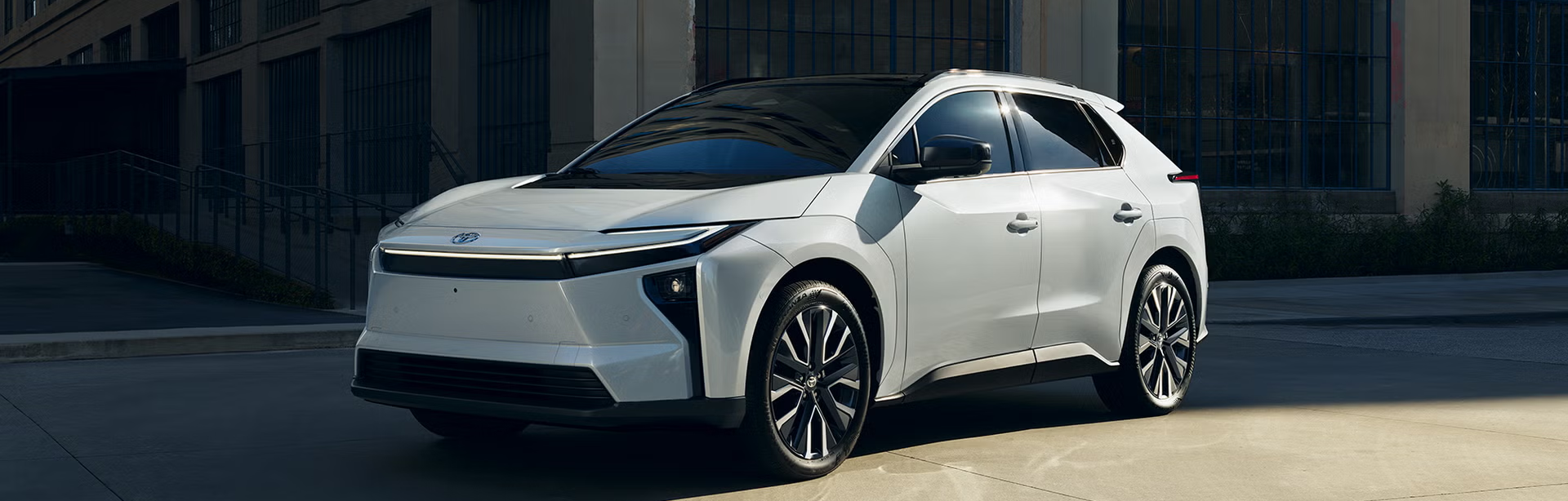
Regenerative braking is an innovative feature that enhances your Toyota’s efficiency by capturing energy typically lost during braking. This technology is particularly beneficial for drivers around Canandaigua and Rochester, where hilly terrains and stop-and-go traffic are common.
Here’s how it works: when you release the accelerator or apply the brakes, the electric motor shifts into generator mode. Instead of consuming power to drive the wheels, the wheels’ movement turns the motor, generating electricity that feeds back into the battery. This process is especially useful on routes like NY-332, where downhill stretches can help recharge your battery during your commute. As a result, you’ll enjoy significant range gains and experience less wear on your brake components, which is a key advantage for local drivers. This principle is widely recognized by automotive resources like Edmunds.
- Stronger slowdown feel: You’ll notice a more pronounced deceleration when lifting off the accelerator.
- Range gains: Your battery gets a small boost, extending how far you can travel.
- Less brake wear: Reduced reliance on traditional brakes means your brake pads last longer.
What Affects a Toyota EV’s Battery Range and Performance?
Several factors can influence the distance your Toyota EV can travel on a single charge, as well as its overall performance. For drivers in Canandaigua, understanding these factors can help you manage your vehicle’s efficiency, particularly during commutes or weekend trips.
Driving Style: Your driving habits play a significant role in battery consumption. For instance, rapid acceleration and high speeds can drain your battery faster, while smooth driving, such as cruising along Main Street (NY-332) or taking it easy on the scenic routes around Canandaigua Lake, conserves energy and improves range.
Terrain: The landscape you navigate affects energy use. Climbing hills, like those near Bristol Mountain, requires more power compared to flat highways. However, driving downhill can benefit from regenerative braking, which helps recover some energy, making it easier to manage your battery life.
Temperature: The Finger Lakes region experiences diverse weather conditions, from humid summers to cold winters, which can affect battery performance. Extreme temperatures may temporarily reduce your EV’s range. Pre-conditioning your vehicle while it’s still charging can help, ensuring optimal performance when you’re ready to hit the road.
Cabin Comfort: Using heating or air conditioning pulls power from the battery. Fortunately, Toyota EVs are equipped with efficient climate control systems designed to minimize this impact. So, you can enjoy a comfortable ride while still keeping an eye on your range.
How Do You Maintain a Toyota EV?
Maintaining a Toyota electric vehicle is easier and more cost-effective than caring for a traditional gasoline car. With fewer moving parts, you’ll find less to service or replace, which is a significant advantage for Canandaigua drivers navigating both scenic routes and urban streets.
One of the most notable benefits is that Toyota EVs, like the bZ4X, don’t require oil changes or spark plug replacements. Regular maintenance tasks focus on brake inspections, tire rotations, fluid and coolant checks, and general EV system assessments. These tasks help ensure your vehicle runs smoothly, especially when commuting along Main Street or heading out to the beautiful Sonnenberg Gardens.
Furthermore, the battery and motor in a Toyota EV are built for long-term durability, giving you peace of mind for years to come. For a deeper understanding of maintenance schedules, you can explore resources from the Department of Energy or consult your local service center. Certified Toyota technicians are always available to provide expert care tailored to your vehicle’s needs, assuring you of its reliability. For additional insights into long-term durability, you can check out Consumer Reports.
Frequently Asked Questions (FAQs)
Where can I charge a Toyota EV around Canandaigua and nearby cities?
Charging options for Toyota EVs are expanding in Canandaigua and surrounding areas. You can find public Level 2 and DC fast-charging stations at local shopping centers and public parking lots. Many owners also choose to install a Level 2 charger at home for easy overnight charging. For more options, visit the official Toyota website.
Are Toyota EVs suitable for local weather conditions?
Yes, Toyota EVs are engineered to perform well in various weather conditions. Features like effective climate control ensure comfort during hot summers and cold winters, while their low center of gravity enhances stability on slippery roads. Pre-conditioning the battery while plugged in can optimize performance throughout the year.
How does the Toyota EV warranty cover the high-voltage battery?
The warranty for Toyota EVs includes comprehensive coverage for the high-voltage battery. Typically, the warranty protects against defects for an extended period and mileage. For detailed information, it’s advisable to refer to the official documentation or consult with West Herr Toyota of Canandaigua.
What is the difference between AC and DC charging for a Toyota EV?
AC (Alternating Current) charging is the standard method, suitable for home charging (Level 1 and Level 2) and many public stations. DC (Direct Current) fast charging is significantly faster, capable of restoring a large portion of the battery’s range in under an hour, and is often available along major highways for long-distance travel.
What steps does West Herr Toyota take to improve communication with customers?
West Herr Toyota of Canandaigua emphasizes transparent communication with customers. The dealership actively engages with customers through follow-up calls and service notifications to ensure they are well-informed throughout their experience.
What should I expect regarding upselling during my service visit at West Herr Toyota of Canandaigua?
During your service visit, West Herr Toyota of Canandaigua focuses on providing value rather than upselling. The team will discuss necessary services and any additional recommendations, ensuring you understand the benefits without pressure.

About West Herr Toyota of Canandaigua
West Herr Toyota of Canandaigua is proud to be a trusted automotive partner for drivers across the Finger Lakes region. Our dealership operates with a philosophy of absolute integrity, striving to make every service visit transparent, efficient, and comfortable for our neighbors. Whether you are a long-time resident or new to the area, we invite you to experience a higher standard of vehicle care backed by the expertise and community focus of the West Herr family.
Related Articles:
Choosing Your Canandaigua Toyota Partner: A Guide for Local Drivers
0 comment(s) so far on Understanding Toyota bZs: Batteries, Motors, and Regenerative Braking